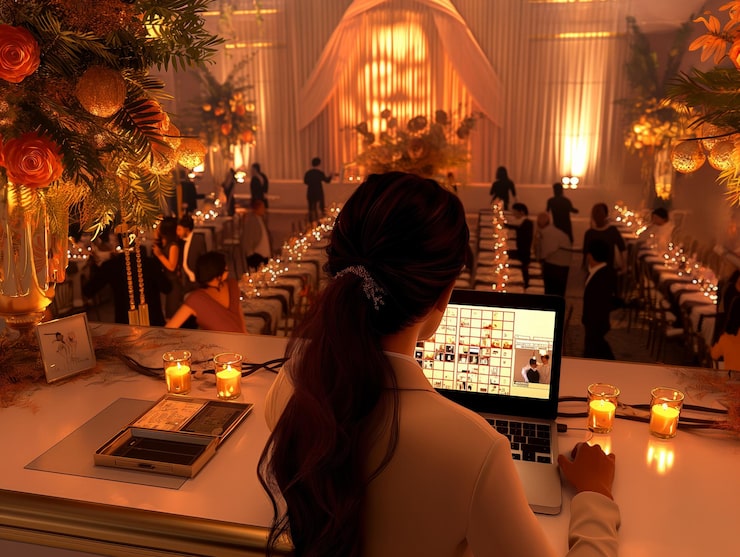

A venue tour feels like the big moment.
Couples arrive excited. They walk the ceremony space. They picture their guests. They ask questions. They smile. They say, “We love it.”
Then they leave.
And in many venues, that is where the process quietly breaks.
Not because the tour went badly, but because the follow-up is inconsistent.
The sales team gets pulled into events. Another weekend hits. New inquiries take priority. And the couple who was excited two days ago now feels like a maybe, then a ghost, then a lost opportunity.
That is exactly why wedding venue post-tour follow-up automation matters.
Post-tour is where bookings actually happen. Tours create emotion, but follow-up creates decisions.
If you want more signed contracts without increasing headcount, tightening the post-tour process is one of the highest-leverage moves you can make.
This guide shows you what to send, when to send it, and how to automate it in a way that still feels human.
Why Post-Tour Follow-Up Is the Real Sales Engine
Most couples do not book on the spot.
They need to:
Compare venues
Talk budget
Check with family
Confirm guest count
Review packages
Sleep on it
So a tour is rarely the final step.
A tour is a milestone in the tour-to-booking workflow.
If your system treats a tour like the finish line, you will lose couples who were genuinely interested but needed a little help to move forward.
This is why wedding venue post-tour follow-up automation has such a measurable impact. It protects the decision window while the couple is still emotionally connected to your space.
The Most Common Post-Tour Mistakes
Let’s name the big ones.
Mistake 1: No same-day follow-up
Couples tour multiple venues. If you do not follow up the same day, you lose mental real estate.
Mistake 2: Follow-up that feels generic
“Thanks for touring” is polite, but it does not move the deal forward.
Mistake 3: Waiting too long to send a proposal
A slow proposal creates doubt. Doubt creates delay. Delay creates lost bookings.
Mistake 4: One follow-up and then silence
Most couples need multiple touches. If you stop after one or two messages, you lose people who were still deciding.
Mistake 5: No clear next steps
If the couple does not know what happens next, they drift.
A strong system fixes all of these, and that is exactly what wedding venue post-tour follow-up automation is designed to do.
The Post-Tour Window That Matters Most
The first 72 hours after a tour are the sweet spot.
It is when the couple still remembers details. It is when emotion is high. It is when the experience is fresh.
Your goal in the first 72 hours is simple:
Reinforce the emotional connection
Remove uncertainty
Make next steps obvious
Create a path to a decision
A consistent next steps sequence in that window can lift bookings without spending another dollar on marketing.
The Post-Tour Follow-Up Sequence That Converts
Here is a proven sequence you can implement.
It is not aggressive. It is structured, human, and built to guide decisions.
Message 1: Same Day Tour Recap
This is the most important message.
A good tour recap message includes:
A thank you that feels personal
One or two details you discussed
A simple question to keep engagement
The next step
Example tone:
“Loved meeting you today. Based on what you shared about your guest count and the kind of evening you want, I think the ceremony flow we walked through fits really well. Do you want me to send a proposal based on your ideal guest range, or would you prefer a quick call to fine-tune details first?”
This message keeps the conversation alive and guides them into decision mode.
Message 2: Next Day Proposal Path
If they want a proposal, this is where you set expectations and reduce delay.
Example:
“Happy to put together options. Just confirming, are you still aiming for X guests and your preferred month is Y? Once I have that, I can send a proposal and hold your date while you review.”
This is a soft proposal follow-up starter because it creates momentum and gives a reason to respond.
Message 3: Two to Three Days Later, The Helpful Clarifier
Add value. Answer the questions couples usually wrestle with:
What is included
How minimums work
Rain plan and indoor options
Timing and flow
Vendor flexibility
Then invite next steps.
Example:
“If it helps, I can outline what’s included in the most common package and how pricing shifts by season. Want that, or would you rather jump straight to a proposal with your guest count?”
Message 4: One Week Later, The Decision Support Touch
This is where you help without pressuring.
Example:
“I know couples often compare a few venues. If you want, I can summarize the main options we discussed and what’s typically most important for guest experience and flow. Want me to send that?”
Message 5: The Polite Close Loop
This message is powerful because it is respectful.
Example:
“I don’t want to crowd your inbox. Do you want me to keep this open and check back, or should I close it out for now?”
Many couples respond simply because it feels considerate.
This sequence is simple, but it works because it keeps you present in the decision window.
And when it runs consistently, wedding venue post-tour follow-up automation becomes a bookings multiplier.
What to Include in a Proposal Follow-Up
A lot of venues send a proposal and hope the couple reads it.
Then weeks pass.
A good proposal follow-up does not ask, “Did you read it?”
It guides.
Here are a few follow-up angles that get replies:
“Do you want to keep the ceremony outdoors, or should I include the indoor option as a backup?”
“Are you leaning more toward Friday, Saturday, or Sunday pricing?”
“Do you want the proposal to reflect a full bar option, or beer and wine?”
“Would you like me to hold your date for a short window while you decide?”
Each one makes it easy to respond. Each one moves the proposal forward.
This is how you prevent proposals from turning into dead documents.
Automation Without Losing the Human Touch
A lot of people worry that automation will feel cold after a tour.
It does not have to.
The trick is that automation should control timing and structure, not remove personality.
The messages should still sound like your venue.
They should reference the tour, not feel like a mass email blast.
They should ask real questions and reflect what the couple cared about.
This is exactly why venue-specific systems matter more than generic automation tools.
Where VenueX AI Fits Into Post-Tour Follow-Up
VenueX AI is built to keep the funnel moving, including after the tour.
It can support wedding venue post-tour follow-up automation by:
Sending timely recaps and next steps
Running a consistent next steps sequence
Handling proposal follow-up without sounding robotic
Re-engaging couples who go quiet
Keeping all conversations unified across channels
Escalating to your team when a human touch is needed
This helps venues avoid the common scenario where post-tour follow-up depends on someone remembering.
If you want to explore how VenueX AI supports the end-to-end sales flow, you can start at VenueX AI.
If you want to see the experience from a lead perspective, you can view the VenueX AI demo.
And if you want real examples of how consistent follow-up impacts bookings and pipeline, you can review the VenueX AI case studies.
A Quick Checklist to Improve Your Post-Tour Workflow
If you want immediate improvements, start here:
Send a same-day recap after every tour
Ask one question in every message
Deliver proposals faster, with clear next steps
Follow up at least 5 times over 14 days
Use a polite close-loop message instead of going silent
Make it easy to schedule a second touch if needed
This alone improves your tour-to-booking workflow.
And when it is automated consistently, it becomes scalable.
The Bottom Line
Tours create emotion. Follow-up creates decisions.
If you want more bookings without adding staff, you need a consistent post-tour system that runs every time.
When you use wedding venue post-tour follow-up automation to deliver a clear tour recap message, guide a structured next steps sequence, run reliable proposal follow-up, and strengthen your overall tour-to-booking workflow, you turn more tours into signed contracts.
And you do it without depending on memory or perfect timing.